FLOOD

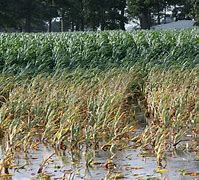
A Flood is a large amount of water covering
an area that is usually dry.

What causes floods?

There are many causes of floods.
Some of the most common causes are:

Tools used to detect heavy rainfall associated with flash floods

Radar

WSR-88D radars graphically display detected precipitation on a map. Radar can show the location of the intense rainfall cores and estimate the duration of rainfall.

Rain gauges

provide the most accurate method of measuring rainfall at a single geographic point.

Satellite

Estimates of rainfall from satellite data are less direct and less accurate than either gauges or radar but have the advantage of high resolution and complete coverage over oceans, mountainous regions, and sparsely populated areas where other sources of rainfall data are not available.

Factors that influence flooding

Rainfall Intensity and Duration

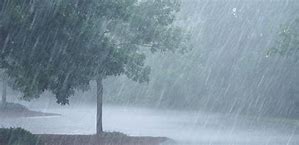
Most flash flooding is the result of prolonged, heavy rainfall from typhoons or slow-moving thunderstorms.

Topography

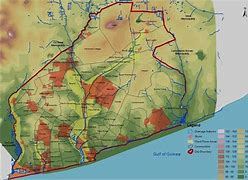
Flooding is more common in low-lying areas such as plains and deltas.

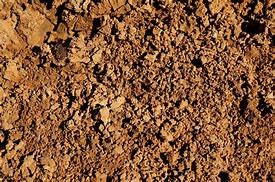
Soil Conditions

Failure of manmade structures such as dams and clogging of drainage systems

Ground Cover

Runoff is high in urban areas since much of the ground is covered by concrete. Vegetation lessens runoff, as it absorbs water and improves the ability of the ground to take in more moisture.

Preparedness and Mitigation

What to do Before, During, and After a Flood

BEFORE

• Find out the frequency of occurrence of floods in the locality.
• Know the flood warning system in your locality.
• If it has been raining hard for several hours, or steadily raining for several days
• Watch out for rapidly rising water and help prepare the family for evacuation.
• Switch off the electricity and lock the rooms after all have gone out.
• Have a handy survival kit.
• Use a radio or portable, battery-powered radio for updated information.

DURING

• Stay calm and keep updated with the status of the situation and safely reminders on what to do and where to go in case of evacuation.
• Do not attempt to cross flowing streams unless assured that the water is below knee high level.
• Avoid areas prone to flash flooding and be cautious of water-covered roads, bridges, creeks and stream banks and recently flooded areas.

AFTER

• Report broken utility lines (electricity, water, gas, etc.) immediately to appropriate authorities.
• Ensure that electrical appliances are checked by a competent electrician before switching them on.
• Avoid affected areas.
• Return home only when authorities indicate it is safe to do so.
• Stay away from any building that is still flooded.