THUNDERSTORM

Thunderstorm is a weather condition characterized by heavy rain and wind accompanied by lightning, thunder; sometimes with hail and tornadoes. It can last for 30 minutes to several hours. It requires moisture and rapidly rising warm air to form.

Signs of Impending Thunderstorms

Cloud Formation

• Fast rising cumulus cloud
• Warm, humid air rises and the condensation that forms as the warm updraft meets the cooler air above and produces the clouds
• Clouds will form an anvil-like shape

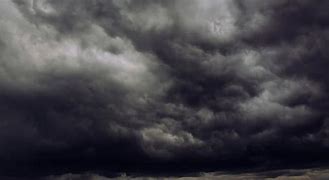
Darkening Sky

• Rapidly dimming sky filled with dark clouds
• Clouds of an incoming thunderstorm can become so massive that they block out most of the suns rays
• Mass of droplets within the clouds are an effective barrier against sunlight.
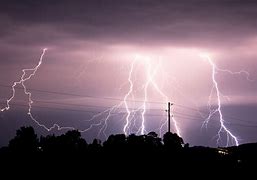
Lightning

• Strikes more than three miles from the center of the thunderstorm
• Can strike from the upper reaches of the storms flattened anvil cloud even when under a clear blue sky
• Begins to occur during a thunderstormss developing stage and can strike before the first raindrops fall
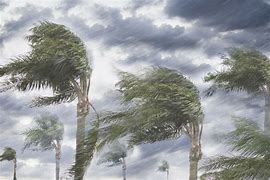
Wind Direction and Intensity

• Winds can abruptly gust or change direction
• Downbursts descend quickly enough to cause gusts of over 100 mph
• Downbursts can form gusts called straight-line winds which can carry the destructive force
LIGHTNING AND THUNDER

1

Clouds can contain millions of suspended water droplets and ice particles which continuously collide due to turbulent air currents.

2

Collisions knock out electrons creating a negative charge, while rising moisture that just lost an electron moves positive charges toward the top of the cloud.

3

When sufficiently ionized, air can become electrically conductive (plasma).

4

While ionization occurs and plasma is being formed above, the objects on the ground reach out to the clouds by growing finger-like electrical discharges called streamers.

5

The electrons surge down to meet the streamers, creating lightning. As lightning strikes, the air around it is heated and expands rapidly to the point that it explodes.

6

Thunder is a shockwave caused by this explosion, which manifests as a loud booming sound.

Preparedness and Mitigation

What to do Before, During, and After a Thunderstorm

BEFORE

• Develop a family preparedness plan.
• Be familiar with thunderstorm warning signs.
• Remove dead or rotting trees and branches that could fall and cause damage or injury.
• Secure outdoor objects such as furniture, toys and tools that could blow away.
• Close windows, secure outside doors and unplug electronic equipment.
• Get inside a home, building or hard-top automobile.

DURING

If indoors:

• Avoid contact with electrical equipment such as telephones and TVs.
• Avoid contact with plumbing. Do not take a shower, wash the dishes, etc.
• Stay away from windows and doors, and stay off porches.

If outdoors:

• Try to take shelter in a nearby building or car.
• If no shelter is available, go to an open space in a low lying area.

AFTER

• Continue listening to a NOAA (National Oceanic and Atmospheric Administration) weather radio or TV for updated information.
• Assist injured people.
• Inspect your home.
• Be aware of the threat of flooding caused by heavy rainfall.
• Stay away from flooded roadways, storm-damaged areas and downed power lines.
• Avoid making phone calls except in serious emergencies.